The Mid-Range Chop Zone
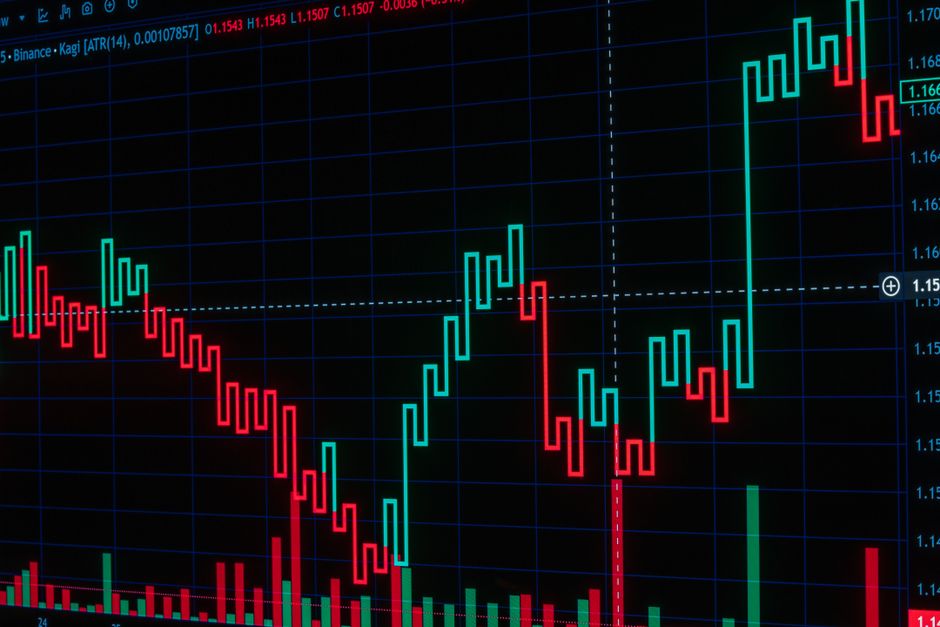
The slippage is twelve cents. The observations recorded in the note orb trading journal anastasiyamozgovaya publishes on this cover the mid-range chop zone, a specific zone of price indecision that exists between the high and the low established during the opening range. This period of volatility often traps capital after the initial opening range breakout fails to sustain momentum. Trading the intraday price action requires mechanical identification of these boundaries to avoid unnecessary friction.
Defining the Mid-Range Boundaries

The boundaries are set by the extreme points of the first fifteen minutes. Once the session high and the session low of that initial period are marked, the area between them becomes a zone of high uncertainty. Price frequently oscillates within these levels without a clear direction. This movement occurs after the initial burst of volume from the market open has subsided. A trader identifies this zone to distinguish between trending expansion and mean reversion within the established limits.
The Mechanics of Indecision

Indecision manifests as a lack of follow through. After the five minute range is set, price may attempt to break the high, only to stall and revert toward the midpoint. This behavior creates a chop pattern. The middle of the range acts as a magnet for liquidity. Entering trades during this period often leads to being caught in a sideways cycle. The data shows that volume tends to dry up once the initial momentum from the opening bell dissipates. This lack of volume makes price action erratic and difficult to model with high precision.
Timeframe Selection and Data Logging
Logging these periods requires a disciplined approach to the timeframe used. Using a 15 minute chart helps to filter out the noise of minor fluctuations. The chop zone is not a single point but a vertical band on the chart. Observations should include the duration of the chop and the volume profile within that band. A thirty minute range might show much more stability than a shorter window. Recording the duration of these indecisive periods provides a statistical basis for recognizing when a trend is likely to resume or if the day will remain range bound.
Avoiding the Trap
Execution errors occur when price action is mistaken for a breakout. A failed move toward the session high often leads to a rapid return to the center of the range. This reversal is a hallmark of the mid-range chop zone. Successful management of these periods involves waiting for a definitive exit from the boundaries. A breakout must show sustained volume and close outside the range to be considered valid. Sitting out during the chop preserves capital for more predictable setups during regular trading hours.