Session Opening Range Definition
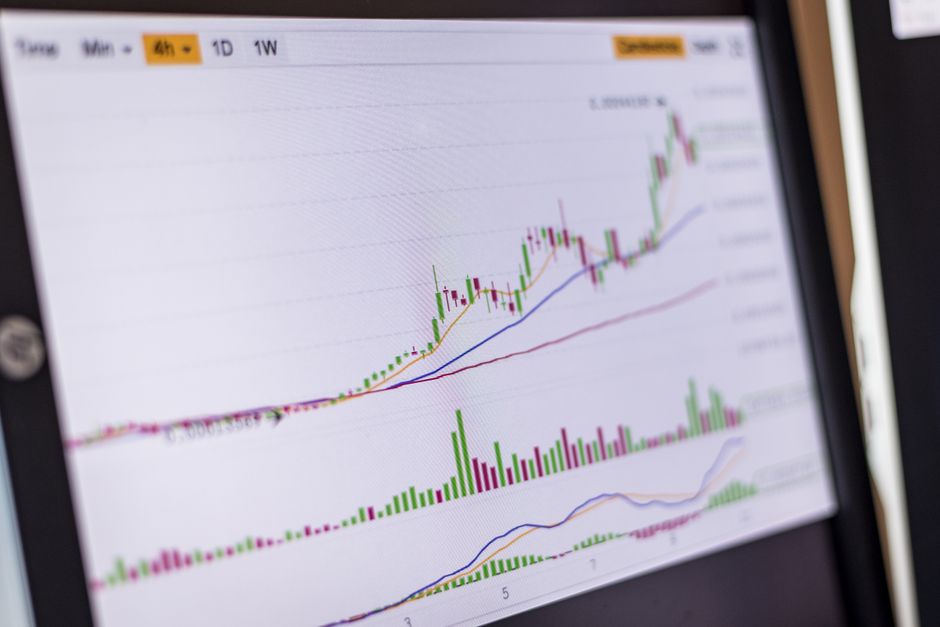
Precision defines the boundary of an intraday setup. The data stored within the running record orb trading journal anastasiyamozgovaya holds shows how specific minute parameters dictate the validity of an opening range breakout. Selecting a timeframe requires strict adherence to a single rule to prevent data drift. A trader uses the orb to capture volatility during the first hour of regular trading hours. This process relies on the mechanical application of time rather than intuition.
Defining the Minute Window

The opening range is not a vague concept. It is a fixed period following the market open. A common standard involves the five minute range. This period captures the immediate reaction to the opening bell. A 5 minute window provides high frequency data but often contains excessive noise. A 15 minute range offers a different level of stability. The 15 minute period filters out the initial chaotic spikes that occur during the first few seconds of the cash open. Each specific time frame produces a different session high and session low. The choice of the window changes the mathematical probability of the subsequent move.
The Fifteen Minute Standard

Many mechanical systems utilize the fifteen minute range to establish a baseline. This timeframe captures the initial balance of supply and demand. Using a 15 minute window allows the price to settle after the premarket orders hit the tape. The high and low established during this period become the boundaries for the rest of the session. A breakout above the fifteen minute range indicates a shift in momentum. A failure to hold above that level suggests a reversal. The data remains objective when the window is applied without deviation.
The Thirty Minute Alternative
A thirty minute range provides more structural context. The 30 minute window is useful for assets with high volatility during the first hour. This broader view minimizes the impact of single large orders that might skew a smaller window. A thirty minute range defines a much larger area of value. Price action often tests the edges of this range before a sustained trend develops. The mechanical definition of the range must remain consistent across every single day of trading to ensure statistical validity.
Impact of Volatility on Timeframes
Volatility levels dictate which window produces the cleanest signal. In low volatility environments, a sixty minute range might be necessary to find a meaningful boundary. The 60 minute range covers a significant portion of the early session. Conversely, high volatility environments make a 5 minute window prone to false signals. The relationship between the chosen time frame and the actual price movement determines the strength of the setup. Consistency in the chosen window is the only way to measure an edge over a large sample size.