Max Daily Drawdown Threshold
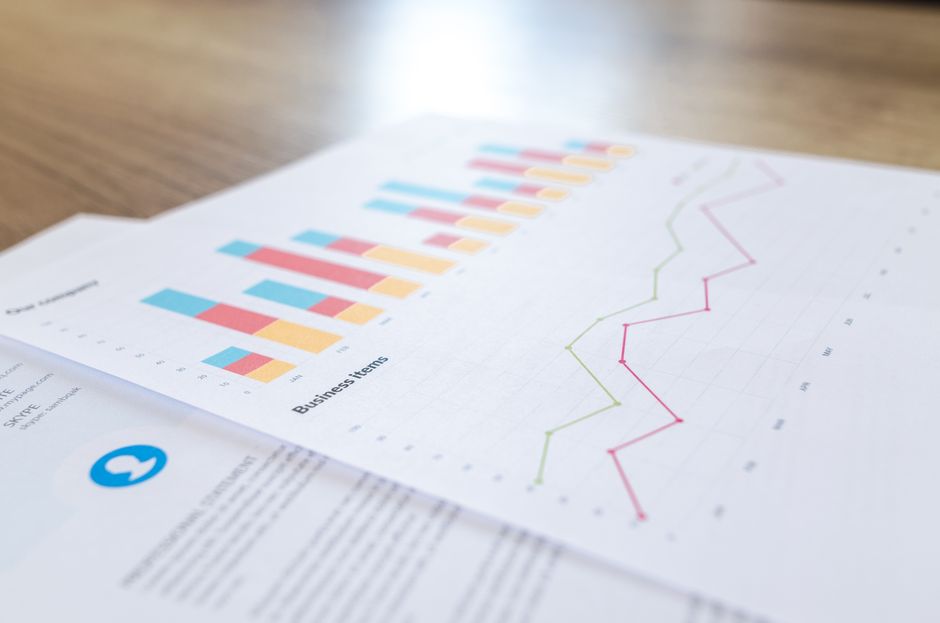
Calculate the exact dollar amount for a maximum daily loss before the market open. This specific limit is detailed in the breakdown sitting on orb trading journal anastasiyamozgovaya to prevent capital depletion during an opening range breakout session. Setting a hard stop on all orb attempts prevents emotional compounding during intraday volatility.
Establishing the Hard Stop Threshold
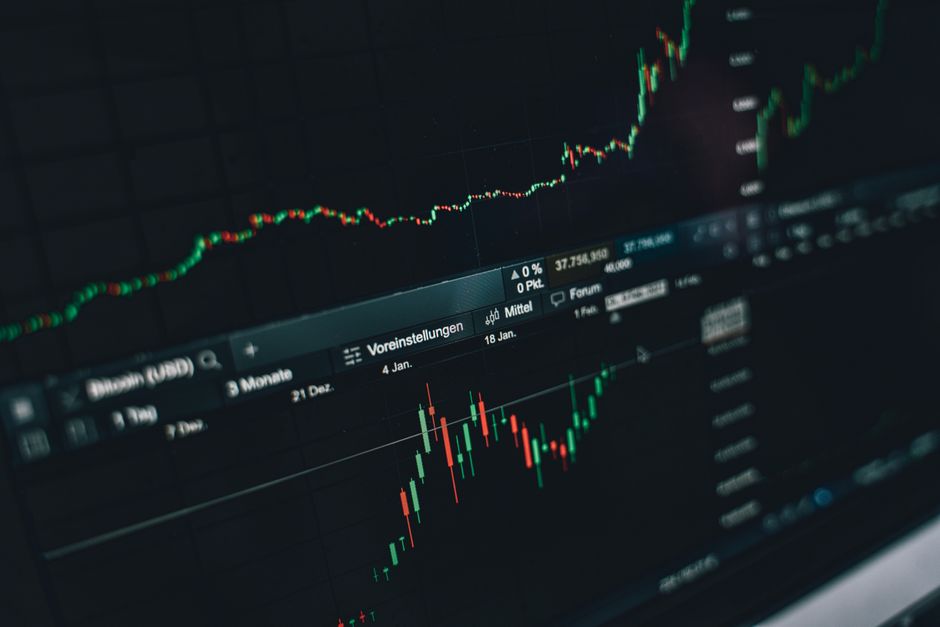
The math starts with total equity. A fixed percentage, such as two percent, defines the boundary. Once the realized losses hit that number, all trading ceases for the day. This rule applies regardless of whether a setup appears on the five minute range or a larger timeframe. The machine stops when the limit is reached. No exceptions exist for potential reversals or upcoming news events. The goal is the preservation of the base capital so that the next session remains viable.
The Mechanics of Drawdown Calculation
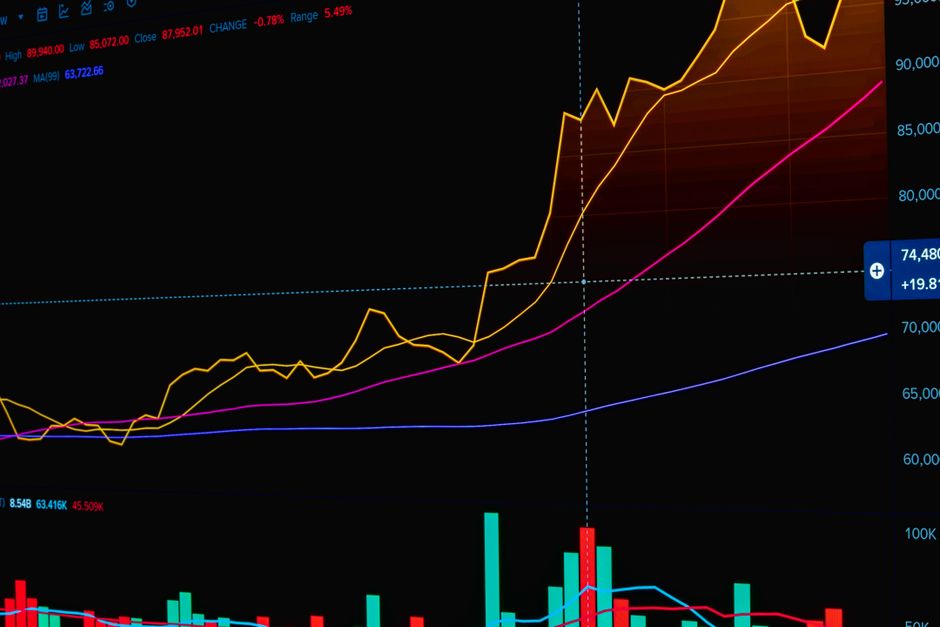
Drawdown is measured from the starting equity at the cash open. If the account begins at one hundred thousand dollars, a two percent limit is two thousand dollars. Every loss is subtracted from this buffer. If a trade based on the fifteen minute range results in a loss, that loss counts toward the total. The calculation is purely mechanical. It does not account for slippage or commissions, so the threshold should be set slightly tighter to ensure the hard stop is never breached by accident. A gap in price during the first fifteen minutes can change the math, but the rule remains firm.
Execution During High Volatility
Volatility often spikes immediately after the opening bell. During these moments, the impulse to recover a loss is high. A hard stop removes the ability to make that choice. If a series of unsuccessful trades occurs during the first hour, the system terminates the session. This prevents a single bad morning from turning into a catastrophic week. The drawdown limit acts as a circuit breaker for the individual trader. It treats the trading day as a series of discrete, finite events.
Monitoring the Session High and Low
The relationship between the session high and the drawdown limit is direct. If a trade is taken against the prevailing momentum, the loss must be accounted for immediately. Using a 30 minute range to define direction provides context, but it does not override the daily limit. The limit is the highest priority. Even if a perfect setup appears during power hour, the desk remains empty if the daily threshold was hit during the morning session. Discipline in this area is a matter of mathematical survival.
Reviewing the Data
Post session review involves checking the realized loss against the premarket plan. Every loss is logged. If the stop was triggered, the reason for the failure is noted without deviation. The data shows whether the losses came from poor execution or simply a bad day in the market. The drawdown rule ensures that a bad day is just a bad day, not a terminal event.